


Zasady korzystania z darmowych wersji demonstracyjnych w Pelican Casino
マルチカレンシー決済で選ぶ最適ブックメーカー:グローバル支払システム徹底分析

HMDD’s Arc from Idea Grew Into Streetwear Essential
Where HMDD comes from traces back the way each streetwear brand does — with a core notion — but in this case it was a line that stuck and never let go: “Happy Memories Don’t Die.” That phrase, shortened to HMDD, has evolved from a small design concept into an established presence in today’s streetwear scene. The brand’s trajectory reflects a wider trend in the way independent brands establish identity — not via big advertising spend, but through a steady brand voice, a clear design identity, and clothing people genuinely reach for every day. This article traces that evolution, examines what makes HMDD clothing distinct in a crowded market, and gives a candid assessment of where the brand stands heading into 2026.
During the previous decade, streetwear as a category has evolved significantly. What began as a small scene built around graphic tees and limited drops has expanded into a all-encompassing lifestyle wardrobe, covering everything from outerwear to loungewear. HMDD stepped into this landscape with a name-first strategy: the phrase “happy memories dont die” is more than a tagline, it’s a philosophy woven through how the brand handles design, marketing, and community building. Before getting into the product details, this guiding principle is worth examining.
Tracing the Beginnings Behind the HMDD Concept
HMDD didn’t come out of a corporate office. In the fashion of many streetwear labels, it kicked off as a low-key initiative centered on one guiding notion: recollections, especially the happy ones, ought to be preserved and worn rather than left in photo albums. The brand name on its own functions as both branding hmdd fleece sweatpants and mission statement. A full phrase that customers could repeat, tattoo, or caption on social posts — rather than vague symbols or borrowed street terms — became what HMDD founded its identity on, proving to be a wiser long-range choice than a plain symbol by itself.
In the initial phase, its production was constrained. Tightly capped batches, a few graphic tee designs, and grassroots buzz carried it through its opening chapter. Such a trajectory is a well-known pattern within streetwear culture — brands like early Supreme or Bape started similarly lean before scaling into fuller collections. HMDD took a similar route, relying on scarcity and design with a message to earn a loyal base of early customers rather than pursuing mass appeal right from the start.
What set apart HMDD stand out from innumerable startup labels was messaging that never wavered. Every drop reinforced the same emotional thread: a longing for the past, resilience, and the idea that good memories outlast difficult moments. Being consistent proved more valuable than trend-chasing, and it’s a large part of why the brand has staying power heading into 2026 rather than disappearing after just a couple of cycles.
A Evolution out of Statement T-Shirts into a Full Wardrobe
The next chapter in HMDD’s evolution centered on expanding the catalog beyond tees and hoodies. HMDD sweatpants and HMDD shorts became essential extensions, moving the brand from a tee-focused label into a fuller loungewear and streetwear lineup. This expansion mattered because sweatpants and shorts are often-bought items — shoppers who buy one pair often come back for a second or third, particularly when cut and fabric heft meet expectations.
HMDD sweatpants are generally positioned as an everyday staple rather than a bold showpiece, which fits the brand’s wider identity. Unlike tees, sweatpants and shorts aren’t built around bold graphics — instead, their success hinges on fit, stitching quality, and real-world comfort. This category push made clear that HMDD wanted staying power as a full clothing brand, not just recognition as a t-shirt company with a clever name.
Shorts followed a matching logic. HMDD shorts bridge the gap between formal streetwear and purely sport-driven wear, giving customers a piece that works for relaxed hangouts, active sessions, or simply lounging. This push into a new category stands as one of the strongest markers of brand maturity, taking things from standalone hero pieces to a full wardrobe system built for rotation.
Reading Through an HMDD Review
Anyone searching for an honest hmdd review online will notice a pattern: customers consistently mention fit, print durability, and overall comfort as key deciding points. Streetwear buyers today are more informed than they were ten years ago. Before committing to a purchase, they compare stitching, look into fabric weight, and read reviews — especially when a brand doesn’t have a flagship retail presence in every city.
Positive feedback across HMDD review threads tends to center on the brand’s ability to keep its message unified across product types — the “happy memories don’t die” phrase appears thoughtfully rather than being tacked onto every item without purpose. Critical feedback, where it exists, generally touches on sizing consistency, which is a familiar complaint across nearly every growing streetwear label as they scale production. Labels that stay tuned to this feedback loop generally adjust fast, and HMDD’s continued product updates point to active listening rather than standing still.
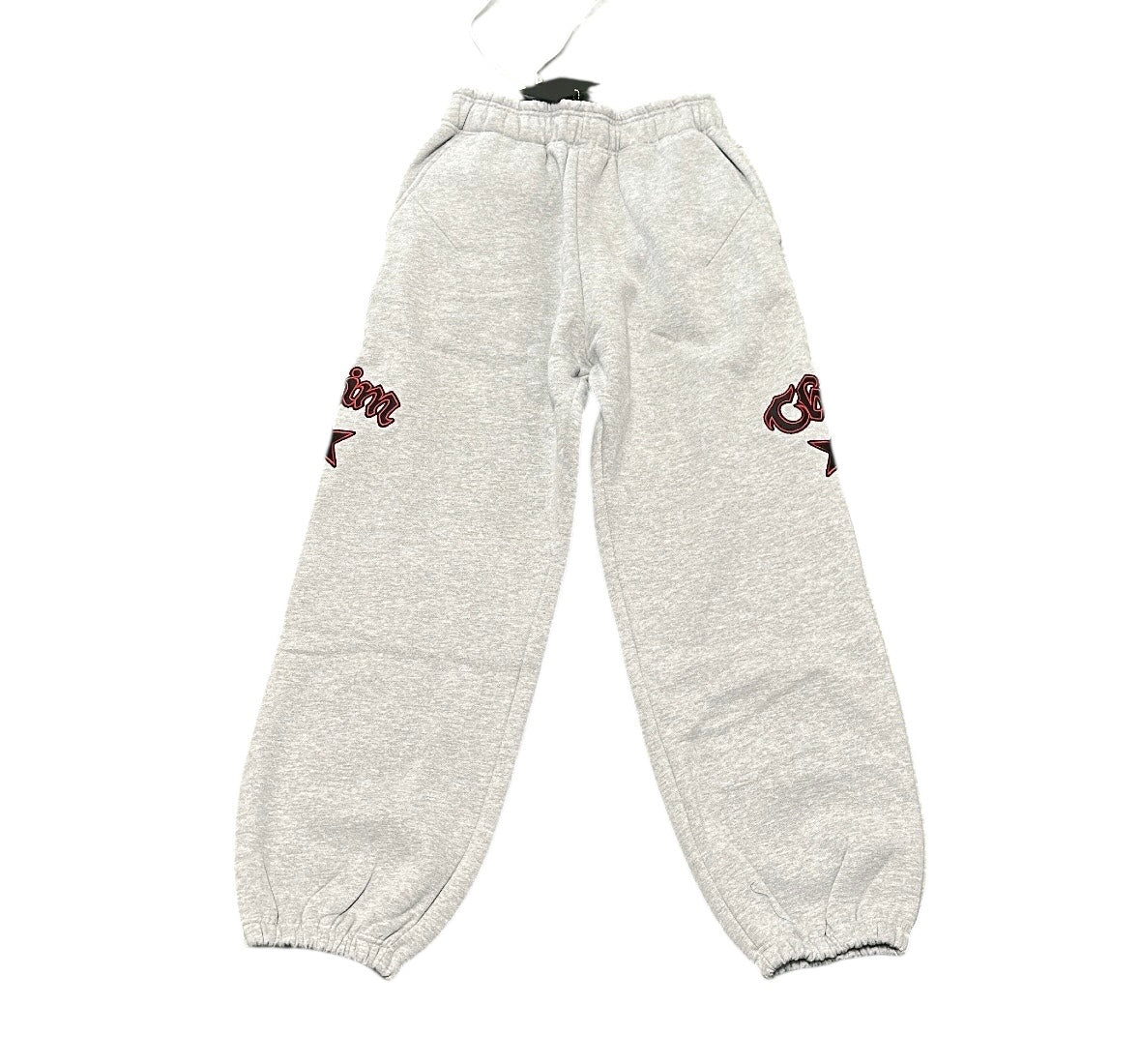
For shoppers trying to figure out the best hmdd clothing pieces to start with, reviews regularly highlight the sweatpants and core graphic tees as entry points, with shorts recommended for warmer-season rotation. Arguably, this grassroots, review-driven guidance beats any marketing campaign, since it comes straight from people who wore the product day in and day out.
HMDDLA and Its Take on Regional Identity
Streetwear has always had strong regional roots, and HMDDLA — the Los Angeles-associated identity tied to the brand — leans on this heritage. For decades, Los Angeles has served as a launchpad for streetwear culture, from skate-shop culture to indie brands that grew into worldwide names over time. HMDD, by leaning into an Los-Angeles-linked identity, taps into a recognizable heritage of West Coast streetwear culture, offering the brand a geographic anchor point that customers can relate to above and beyond the merchandise itself.
This regional branding move isn’t something only seen from HMDD, but the follow-through here feels intentional. Instead of just printing a city name across the packaging as an afterthought, the HMDDLA spin strengthens the label’s larger story: memories tied to place, time, and community. It offers shoppers a narrative worth investing in, not merely an item.
Growing a grassroots following is likewise supported by place-rooted identity. Local pop-ups, collaborations, and word-of-mouth growth in a specific city usually generate deeper brand loyalty than purely internet-based labels. Whether HMDDLA remains central to the brand’s identity through 2026 will likely hinge on how much the label continues to commit resources to offline visibility versus staying primarily internet-centric.
HMDD’s Line-up Set Alongside Common Street-Style Competitors
To get a sense of where HMDD lands amid the competition, one should compare its general approach against standard streetwear competitor patterns. The breakdown beneath this captures overall patterns across the segment rather than specific price-for-price matchups, since specific competitor pricing shifts all the time.
| Consideration | The Way HMDD Positions Itself | Common Rival in the Streetwear Space |
|---|---|---|
| Identity Statement | Full phrase-based brand identity (“Happy Memories Don’t Die”) | Often centered on the logo, short on narrative |
| Catalog Scope | Tees, hoodies, sweatpants, and shorts comprise the range | Varies widely; many stay tee-and-hoodie focused early on |
| Place-Based Branding | HMDDLA / Los Angeles-linked branding | A mixed bag; some brands sidestep regional connections altogether |
| Path to Growth | Beginning from small-batch drops that evolve into a full-fledged wardrobe system | Frequently comparable, though the pace of growth varies from label to label |
| Customer Feedback Loop | Actively engaging in review-driven sizing adjustments | Variable across the category |
Where 2026 Signals to HMDD
As 2026 approaches, HMDD now occupies a spot countless indie streetwear brands aim for yet rarely attain: a well-known identity, a growing range of products, plus a loyal, vocal audience that actively talks about the label via feedback and search patterns.
The shift from a phrase-driven concept to a multi-category clothing brand wasn’t an overnight transformation, and it plainly mirrored an identical, methodical blueprint seen in other successful streetwear evolutions — begin with a tight focus, cultivate a devoted following, then expand deliberately.
Past the initial tee-driven lineup, bringing in sweatpants and shorts shows that the label is looking beyond a solitary hero product. The HMDDLA regional identity adds a dimension of place-based authenticity that echoes streetwear’s historical roots in specific cities and subcultures. Meanwhile the ongoing conversation around HMDD review content — both praise and constructive criticism — points to a label still actively evolving based on real customer experience rather than guesswork.
For shoppers deciding whether to try HMDD clothing as a newcomer, the approach is fairly straightforward: begin with an essential piece, pay attention to sizing notes from existing reviews, and move on to sweatpants or shorts once sizing preferences are confirmed. The label’s journey from one meaningful phrase into a complete streetwear staple is a reminder that in this industry, clarity and consistency often outlive pure trend-chasing — meanwhile HMDD’s direction heading through 2026 looks like an extension of that very principle.

